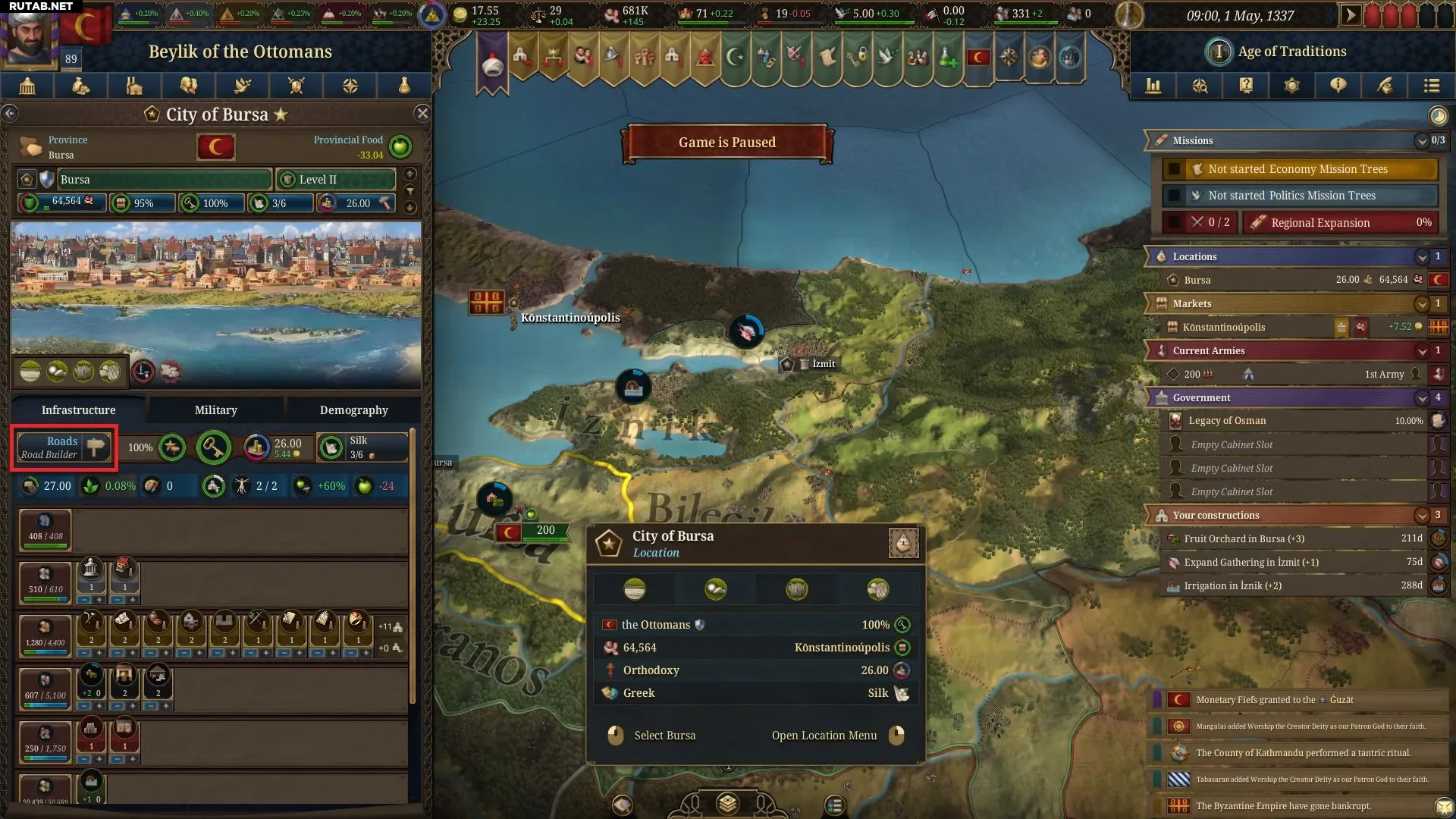
Look, I’ll be honest with you—when I first loaded up Europa Universalis 5 and saw the government menu, my initial reaction was “great, more bureaucracy.” But here’s the thing I learned after sinking 60+ hours into this game: understanding the europa universalis 5 government guide societal values system isn’t just some boring administrative task you can ignore. It’s literally the difference between building a stable empire and watching your nation implode because your heir turned out to be an incompetent twelve-year-old who couldn’t tie his own boots.
I spent my first campaign completely ignoring societal values, thinking they were just flavor text. Big mistake. By year 1450, my carefully planned expansion into Germany ground to a halt because I’d accidentally shifted my country so far toward Aristocracy that my burghers revolted, tanked my economy, and left me scrambling to rebuild while France gleefully annexed my western provinces.
That painful lesson taught me something crucial: the UE5 games government system is way more interconnected than it first appears. Your government type affects your societal values, which influence your laws, which shape your cabinet’s effectiveness, which determines whether you can actually implement the reforms you need. It’s all connected, and ignoring any part of it means you’re fighting with one hand tied behind your back.
 Octopath Traveler 0 Complete Weapon Database (2026)
 Arc Raiders Traitor: Spotting Backstabbers Before They Strike
 Table of Contents
What Makes EU5’s Government System Different
Before we dive into the specifics of the europa universalis 5 government guide societal values, let me explain why this matters more than you might think. Every country in EU5 starts with a specific government type that fundamentally shapes how you play. This isn’t cosmetic—it determines your succession laws, your resource generation, and whether you get to play the dynastic marriage game or need to keep your burghers happy to stay in power.
The beauty (and frustration) of EU5’s system is that you can’t just “set it and forget it.” Your societal values drift over time based on your actions, laws, and reforms. Pass a law favoring the nobility? Your Aristocracy value creeps up. Give privileges to merchants? You’re moving toward Plutocracy. Every decision nudges these invisible sliders, and before you know it, your entire nation has transformed in ways you didn’t anticipate.
 Stop Clogging Your Belts: The Advanced Engineering Guide To ‘MineMogul’
 The Five Government Types That Shape Everything
Let’s break down the core government types in this europa universalis 5 government guide societal values walkthrough. Each one fundamentally changes your gameplay approach, and understanding their strengths helps you leverage societal values correctly.
Monarchy: Dynasty or Disaster
Monarchies are the classic EU5 experience—rulers govern for life, heirs come from the same dynasty, and when things go wrong (and they will), you’re looking at regencies, succession crises, or foreign rulers inheriting your throne. I learned this the hard way playing as Castile when my king died young, leaving a three-year-old heir. The ensuing regency lasted fifteen years and cost me three major wars I could have won with a competent ruler.
The advantage? Royal marriages let you play the inheritance game, potentially gaining entire kingdoms through strategic marriages. Your government power comes from Legitimacy, which you can maintain through various cabinet actions and reforms. Monarchies unlock laws like Feudal De Jure and Royal Court Customs that centralize power around the crown.
But here’s what the tutorials won’t tell you: monarchies are high-risk, high-reward. One bad succession can unravel decades of progress. Keep your rulers healthy, secure good heirs early, and always have a backup plan for when your king inevitably dies at the worst possible moment.
Republic: Stability Through Elections
Republics swap dynastic drama for predictable elections. Your rulers are elected, not born, which means you avoid inheritance wars but sacrifice the ability to claim foreign thrones through marriage. I found republics surprisingly refreshing after my monarchy disasters—there’s something liberating about not caring if your ruler dies young.
Republics excel at trade and administration. You’re building merchant empires, not dynastic ones. Your government power comes from Republican Tradition, and you’ll want to focus on economic laws and reforms that boost trade income and administrative efficiency. The downside? You’re missing out on the personal union mechanics that can make monarchies ridiculously powerful in the late game.
Theocracy: Faith-Based Governance
Theocracies let religion guide everything. Your ruler serves divine authority, not personal ambition. Laws center around church doctrine, and you’re trading diplomatic flexibility for internal stability. I haven’t played theocracies as extensively, but from what I’ve seen, they’re incredibly stable but somewhat rigid in their strategic options.
If you’re playing a religious nation with expansion goals tied to faith, theocracies make sense. Just don’t expect the diplomatic flexibility of republics or the dynastic possibilities of monarchies.
Tribes: Kinship and Transition
Tribes are essentially “starter” governments that you’ll eventually transition away from. Power passes through kinship and age-based systems rather than formal institutions. They’re interesting for players who want to experience that progression from tribal confederation to centralized state, but they require careful management of internal politics to avoid collapsing during the transition.
Steppe Hordes: Conquest or Collapse
Steppe Hordes are for aggressive players who want to paint the map through relentless warfare. Your strength is measured by military success—fail to conquer, and your unity falls apart. They can raze cities, automatically take nearby lands during war, and generally terrify their neighbors.
The catch? You’re on a permanent treadmill of conquest. Stop expanding, and your government destabilizes. It’s exhilarating but exhausting, and if you prefer tall gameplay over wide conquest, skip this government type entirely.
 Cloudheim Starter Guide: Stop Hoarding and Start Kicking
 Societal Values: The Invisible Sliders Controlling Your Nation
Here’s where things get really interesting in this europa universalis 5 government guide societal values deep dive. Societal values are numerical axes ranging from 0 to 100, representing opposing cultural and political philosophies. You don’t directly control them—instead, they drift based on your laws, reforms, estate privileges, and cabinet actions.
What makes this system both fascinating and frustrating is the slow drift. You can’t just click a button to become centralized or innovative. You need to pass appropriate laws, appoint the right cabinet members, and consistently make decisions that push you in your desired direction. It took me nearly 50 in-game years to shift from heavily decentralized to moderately centralized, and that was with me actively trying.
Centralization vs. Decentralization
This is probably the most impactful societal value axis, and I agonized over it in every campaign. Centralization gives you more Crown Power and reduces proximity costs, making it easier to exert control from your capital. You’re essentially saying “I’m the boss” to your entire realm.
The downside? Your vassals and subjects get unhappy, and estate satisfaction becomes harder to maintain. Meanwhile, Decentralization makes vassals happier and speeds up estate satisfaction recovery, which is crucial for sprawling empires where keeping everyone content matters more than absolute control.
My advice? Small, compact nations should centralize. Large empires spanning multiple cultures and religions benefit from decentralization. I learned this playing as France (centralized worked great) versus playing as a sprawling German empire (needed decentralization to prevent constant revolts).
Traditionalist vs. Innovative
This axis determines whether you embrace new ideas or cling to old ways. Traditionalist societies get cheaper stability costs and higher tradition values, making them internally stable and resistant to social upheaval. Innovative societies spread technology and institutions faster, giving them a significant advantage in the tech race.
Here’s the practical reality: if you’re playing tall (developing a small area intensively), go innovative. You want those tech advantages. If you’re playing wide (conquering lots of territory), traditionalist helps maintain stability across diverse populations. I personally prefer innovative because falling behind in tech is painful in UE5 games.
Serfdom vs. Free Subjects
This one’s all about economic philosophy. Serfdom squeezes more raw materials and taxes from your peasants, maximizing extraction but limiting social mobility. Free Subjects allow better population promotion and prosperity, creating a more dynamic economy but with lower immediate returns.
The meta choice depends on your development level. Early game, serfdom gives you the resources to expand rapidly. Late game, free subjects generate more wealth through a prosperous, mobile population. I usually start serfdom and gradually shift toward free subjects as my economy develops.
Aristocracy vs. Plutocracy
Who holds power in your society—noble landholders or merchant oligarchs? Aristocracy strengthens noble estates and military traditions. Plutocracy empowers merchants and commercial interests.
Monarchies naturally lean aristocratic (you need noble support for your dynasty). Republics benefit from plutocracy (your power base is commercial). Don’t fight against your government type’s natural inclinations unless you have a specific strategic reason.
Quality vs. Quantity
The eternal military debate. Quality builds superior troops—better trained, better equipped, more effective in combat. Quantity focuses on mass mobilization and larger armies.
This is playstyle-dependent. Rich nations with small populations benefit from quality (looking at you, Dutch Republic). Large nations with huge manpower pools can leverage quantity effectively. I’ve found quality more forgiving for new players since losing expensive quality troops hurts less than constantly rebuilding massive quantity armies.
Belligerent vs. Conciliatory
How aggressive is your diplomatic stance? Belligerent societies get military bonuses but struggle with diplomatic relations. Conciliatory nations excel at diplomacy but sacrifice some military effectiveness.
If you’re playing for conquest, belligerent makes sense. If you’re trying to build coalition networks or rely on vassals, conciliatory helps maintain those relationships. I typically lean slightly belligerent because EU5 inevitably involves warfare, but extreme values in either direction create problems.
 How To Turn Your Cozy Potion Shop Into A Ruthless Industrial Empire In ‘Alchemy Factory’
 The Cabinet: Your Administrative Powerhouse
Every nation starts with two cabinet seats, and these officials are way more important than they initially appear. I ignored my cabinet for my entire first campaign, treating them like passive advisors. That was stupid. Cabinet members actively perform tasks that shape your nation, and using them effectively is crucial for managing societal values and implementing your strategy.
Each cabinet member can be assigned specific actions: developing provinces, restoring stability, converting populations, or working on societal value shifts. Their effectiveness depends on their skills, culture, estate affiliation, and religion. A skilled administrator from the Crown estate working to centralize power is far more effective than a mediocre diplomat from the nobility trying the same task.
Head of Cabinet: Worth the Investment?
Tribes can promote one cabinet member to Head of Cabinet, which increases overall cabinet efficiency by 25% but locks that person into the role permanently (they can’t lead armies or be removed). The cost is steep—10 times the normal appointment cost plus 5 Government Power.
Is it worth it? If you’ve got a talented administrator from the Crown estate, absolutely. That 25% efficiency boost affects every cabinet action, and the Crown Power bonus is significant. But don’t promote someone mediocre just to have a Head of Cabinet—the permanent nature means you’re stuck with that choice.
 My Winter Car Firewood Cutter Guide: How To Attach And Use It?
 How to Increase Crown Power in EU5
Since this comes up constantly in discussions about the europa universalis 5 government guide societal values system, let me address it directly: how to increase crown power in EU5 requires understanding multiple interconnected mechanics.
Your base Crown Power comes from control over your population—the more control you exert over heavily populated areas, the higher your Crown Power. This means building roads to your capital, increasing harbor capacity in coastal zones, and using cabinet actions to boost provincial control.
Beyond the base value, you can modify Crown Power through:
Cabinet composition: Assigning a Crown estate member to your cabinet grants +12.5% Crown Power. Promoting them to Head of Cabinet adds another +25%. That’s a massive 37.5% boost from smart cabinet management.
High legitimacy: Max legitimacy (100) provides +10% Crown Power. You maintain this through the Strengthen Government cabinet action and investing in Cost of the Court (found in the Economy tab’s Balance menu).
Reducing other estates’ power: Revoking privileges granted to nobles, clergy, and burghers directly increases Crown Power, though it costs legitimacy and tanks estate satisfaction. Do this carefully—angry estates can cause serious problems.
Government reforms: Certain reforms like Autocracy and Royal Decree grant +10% Crown Power each. These are long-term investments that provide permanent benefits.
The key insight I learned: Crown Power isn’t just about one mechanic. You need to work multiple angles simultaneously. Focus on control in your core provinces, maintain high legitimacy, staff your cabinet wisely, and choose reforms that boost Crown Power. Do all of these, and you’ll dominate your realm. Neglect any one area, and you’ll struggle.
 My Winter Car Fatigue Guide: How Fatigue Works?
 Where to See Societal Values in EU5
Since players keep asking “where can I see societal values in EU5,” let me save you the frustration of hunting through menus. Open your Government tab, and you’ll find societal values displayed prominently in the main government interface. Each axis shows your current position (0-100), the bonuses/penalties you’re receiving at that level, and the factors currently pushing you in each direction.
Hover over any societal value to see exactly what’s influencing it—your active laws, estate privileges, government reforms, and cabinet actions all appear in the tooltip. This is crucial information because it tells you what you need to change if you want to shift your values in a specific direction.
 Cloudheim guide: How classes, weapons, and XP work together with pinball combat
 The Regency Problem: What Happens When Your Ruler Dies
Nothing exposes the weaknesses in your government structure quite like a poorly timed ruler death. If your ruler dies without a proper heir (or with an underage child), you enter a regency. This is usually bad, and the type of regency depends on who seizes power.
Consort Regency: The Queen Mother or Father takes charge. This is relatively stable and doesn’t drastically shift your societal values. You’ll take some efficiency penalties, but it’s manageable.
Fraternal Struggle: A relative assumes control, but it’s contentious and dangerous. This increases your Belligerent values as internal power struggles intensify.
Estate Regency: If nobles or clergy are too powerful, they might take control. This is where things get dicey—the ruling estate will aggressively shift societal values toward their preferences. Noble regencies push hard toward Aristocracy, clergy regencies toward Spiritualism. If you’ve carefully balanced your societal values, an estate regency can undo years of work.
For Steppe Hordes, weak succession can trigger a Mamluk Succession or complete governmental collapse. The lesson? Keep your rulers healthy, secure strong heirs early, and don’t let any single estate become powerful enough to seize control during a succession crisis.
 How to Fix DXGI_ERROR_DEVICE_HUNG in ARC Raiders
 Strategic Combinations That Actually Work
After testing different approaches across multiple campaigns, I’ve found certain societal value combinations work better than others for specific strategies. These aren’t absolute rules—EU5 is too complex for that—but they’re starting points that work.
Conquest-focused monarchies: Moderate centralization (40-60), traditional (20-40), aristocracy (60-80), quality (60-70), belligerent (60-80). This builds a stable military aristocracy capable of sustained warfare.
Trade-focused republics: Moderate decentralization (40-60), innovative (60-80), plutocracy (70-90), quality (50-60), conciliatory (60-70). This maximizes trade income and diplomatic flexibility while maintaining decent military capability.
Tall development monarchies: High centralization (70-90), innovative (70-90), moderate aristocracy (50-60), quality (80-100), conciliatory (40-60). This creates a technologically advanced, efficiently governed core with superior troops.
Wide empire management: High decentralization (70-90), traditional (30-50), moderate aristocracy (50-60), quantity (60-80), moderate belligerent (40-60). This maintains stability across diverse territories while fielding large armies.
The key principle: extreme values in multiple categories create conflicting pressures. Moderate positions in most areas with 2-3 focused strengths work better than trying to max everything.
 EVERY MINE IN ARC RAIDERS (AND WHY YOU NEED THEM)
 Common Mistakes to Avoid
Let me save you some pain by sharing the mistakes I made learning this system:
Ignoring societal value drift: These values change slowly over time based on your actions. If you’re not paying attention, you can accidentally shift in directions you don’t want. Check your government screen regularly and adjust if values are drifting wrong.
Fighting against your government type: Trying to build a highly centralized republic or a heavily plutocratic monarchy means fighting uphill battles. Work with your government type’s natural tendencies, not against them.
Neglecting estate satisfaction: Angry estates can seize control during regencies or trigger revolts. Keep them reasonably happy, especially the most powerful estates. A little satisfaction management prevents major crises.
Changing government types casually: The cost is steep—50 Stability and 25 Government Power, plus you need to be at peace. Don’t do this on a whim. Plan government changes carefully and ensure you can afford the destabilization.
Underusing your cabinet: These aren’t passive advisors. Actively assign them to actions that support your strategic goals. A well-managed cabinet dramatically accelerates your nation’s development.
 Octopath Traveler 0 Tips: 15 Game-Changing Secrets I Wish I Knew Earlier
 Practical Application: A Real Campaign Example
Let me walk you through how this all came together in my recent Poland campaign. I started as a monarchy with moderate societal values across the board. My strategic goal was building a strong, centralized state capable of dominating Eastern Europe while maintaining enough diplomatic flexibility to manage the inevitable Ottoman conflicts.
Years 1-50: I focused on centralizing power by passing laws that increased Crown authority, appointing Crown estate members to my cabinet, and carefully managing estate privileges. My Centralization crept from 45 to 65, giving me stronger control over my core provinces.
Years 50-100: With a solid power base established, I shifted toward Quality military values by reforming army organization and investing in military technology. This made my armies punch above their weight in the endless wars against Muscovy and the Ottomans.
Years 100-150: I gradually moved toward Innovative values by founding universities and passing education reforms. This helped me stay competitive in the tech race while my neighbors stagnated. The slower institution spread hurt initially, but the long-term advantages were worth it.
By 1500, I had a highly centralized, technologically advanced kingdom with superior troops and enough Crown Power to push through major reforms without noble opposition. The key was working consistently toward clear goals and not getting distracted by short-term opportunities that conflicted with my societal value trajectory.
 My Winter Car Phone Guide: All Numbers, Locations & How To Call
 Advanced Government Management Tips
Once you’ve mastered the basics of the europa universalis 5 government guide societal values system, here are some advanced techniques that separate good players from great ones:
Time your reforms strategically: Major government reforms destabilize your nation. Schedule them during peacetime when you can afford the hit to stability. Never reform during major wars or succession crises.
Use estate privileges as societal value levers: Granting and revoking specific privileges can push societal values in desired directions. This is more immediate than waiting for laws to take effect but costs stability and estate satisfaction.
Plan cabinet actions in phases: Don’t scatter your cabinet’s efforts. Focus them on specific objectives in sequential phases. Spend 20 years centralizing power, then 20 years developing provinces, then 20 years on diplomatic integration. Concentrated effort yields better results than diffuse activity.
Watch diplomatic opinion modifiers: Countries with similar societal values like you more. If you’re building alliances or trying to avoid coalitions, being aware of how your values affect diplomatic relations helps tremendously.
Prepare for succession issues in advance: Don’t wait until your ruler is 65 to worry about heirs. Secure strong heirs early, educate them appropriately for your strategic needs, and consider royal marriages that might produce backup options.
 My Winter Car Corris Rivett Guide: How To Build A Car While Losing Your Mind?
 Frequently Asked Questions
What is considered EU 5?
Europa Universalis 5 (EU5) is the latest installment in Paradox Interactive’s grand strategy series, launching in early access in 2024. It’s a complete redesign of the classic EU4 formula, introducing population mechanics similar to Victoria 3, a revamped government system with societal values, expanded cabinet management, and deeper economic simulation. The game covers 1337-1821, earlier than EU4’s 1444 start, capturing major events like the Black Death and the Hundred Years War from their beginning.
How do you change the government type in Europa Universalis 4?
While this guide focuses on EU5, the question about EU4 government changes comes up frequently. In EU4, government type changes typically happen through government reforms earned over time or via specific events and decisions. You accumulate reform progress and spend it to unlock new government reforms that can eventually transition your government type. Some DLCs add additional mechanics like revolutionary governments or reformed systems. It’s generally a gradual process rather than a single button press.
How to increase crown power in EU5?
Increasing Crown Power requires multiple approaches: First, boost control over your most populated provinces by building roads to your capital, increasing harbor capacity, and using cabinet actions to raise provincial control. Second, appoint Crown estate members to your cabinet (grants +12.5%) and promote one to Head of Cabinet (+25% additional). Third, maintain maximum legitimacy through the Strengthen Government action and investing in Cost of the Court. Fourth, carefully revoke privileges from other estates when you can afford the stability cost. Finally, choose government reforms that provide Crown Power bonuses. It’s about working all these levers simultaneously, not just one.
Where can I see societal values in EU5?
Societal values are displayed in your Government tab’s main interface. Open the Government menu, and you’ll see all your societal value axes with their current positions (0-100), active bonuses/penalties, and trending directions. Hover over any value to see a detailed breakdown of all factors currently influencing it—laws, estate privileges, government reforms, and cabinet actions all appear in the tooltip. This information is essential for understanding what you need to change to shift values in your desired direction.
 EU5 All Formable Nations List: Your Complete Map Painter’s Bible
 The Bottom Line on EU5 Government Management
Here’s what I wish someone had told me before I started my first campaign: bureaucracy in EU5 isn’t boring—it’s the strategic layer that determines whether your nation thrives or implodes. Every government decision has cascading consequences through your societal values, which affect your laws, which influence your cabinet effectiveness, which shapes your ability to execute your strategic vision.
The europa universalis 5 government guide societal values system rewards players who think long-term and maintain consistent strategic direction. You can’t just optimize for the next 10 years—you need to consider how your decisions will shape your nation over centuries. That centralization choice you make in 1350 will still be affecting your gameplay in 1450.
But here’s the good news: once you understand how everything connects, government management becomes deeply satisfying. There’s something incredibly rewarding about executing a 100-year plan that transforms your nation from a disorganized tribal confederation into a centralized, innovative powerhouse dominating its neighbors through superior technology and military quality.
Is the learning curve steep? Absolutely. Will you make mistakes? Definitely—I’ve shared plenty of mine in this guide. But mastering EU5’s government system is what separates players who struggle through the game from those who truly dominate their campaigns. Take the time to understand these mechanics, experiment with different approaches, and you’ll find that managing societal values becomes second nature.
Now get out there and build something great. Just remember—when your heir turns out to be an incompetent fool, you have no one to blame but yourself. You should have secured a better succession option fifty years ago.
Looking for more EU5 strategies? Check out our comprehensive guides on military optimization and tactical combat systems. And if you’re just getting started with grand strategy games, our beginner’s guide to complex mechanics will help you avoid the common pitfalls that derail new players.
For more detailed analysis of EU5’s interconnected systems, GameNero’s markets and trade guide provides excellent coverage of the economic foundations that support your government reforms. Understanding how trade flows interact with societal values gives you a complete picture of nation management.
And if you’re interested in the broader context of grand strategy gaming and where EU5 fits in the genre’s evolution, this deep dive into strategic game design philosophy offers fascinating insights. The evolution of complex game systems across different genres shows how mechanics like skill progression and tactical decision-making create engaging gameplay experiences.
 ARC Raiders Friendly Lobby Guide: How Aggression-Based Matchmaking Actually Works