The Survivor-like gaming genre has exploded in recent years, with new titles emerging almost daily on Steam. These action roguelike games typically feature auto-attacking characters mowing down endless waves of enemies while collecting power-ups and experience points. When Night Swarm first appeared on my Steam queue, I braced myself for yet another generic vampire survival clone.
Turns out, my skepticism was misplaced.
Created by Fubu Games, Night Swarm attempts to elevate the formula established by genre-defining hits like Vampire Survivors. The game integrates Hades-inspired map progression, incorporates an extensive castle-building meta-system, and wraps everything in striking cel-shaded comic book visuals that immediately catch your eye.
After dedicating numerous hours to this vampire-themed roguelite, I’ve discovered a title with genuinely addictive gameplay mechanics that can easily consume entire evenings. However, certain questionable design decisions prevent Night Swarm from achieving true excellence in this increasingly competitive space.
Table of Contents
The Look And The Wobble
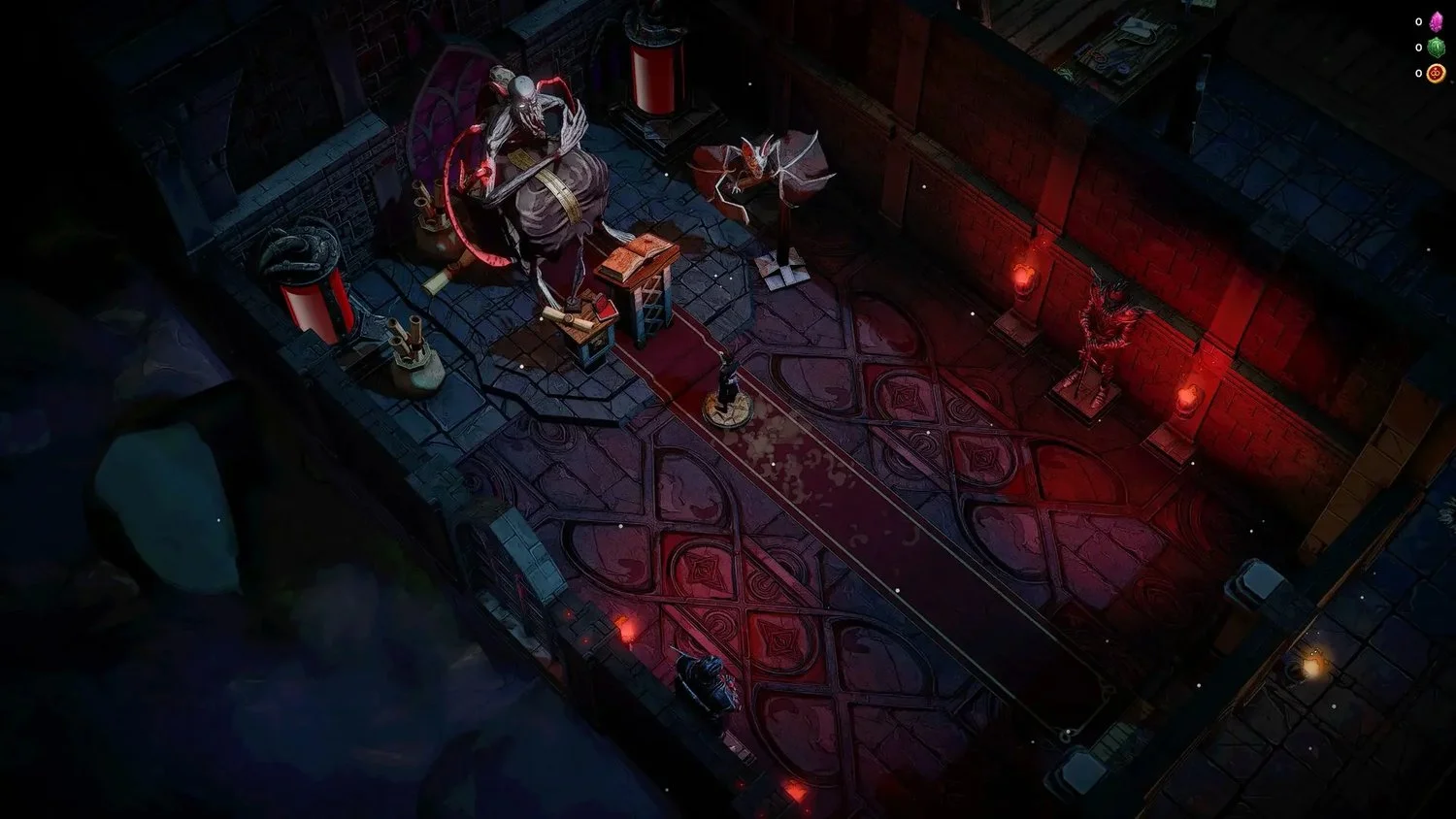
Let’s address the elephant in the room first: Night Swarm’s visual presentation is genuinely impressive.
The art direction embraces a dark gothic aesthetic reminiscent of classic horror comics. Vibrant colors contrast beautifully against shadowy environments, atmospheric lighting effects set the mood perfectly, and each biome maintains its own distinct personality. That said, Fubu Games implemented one controversial stylistic decision that will likely polarize players.
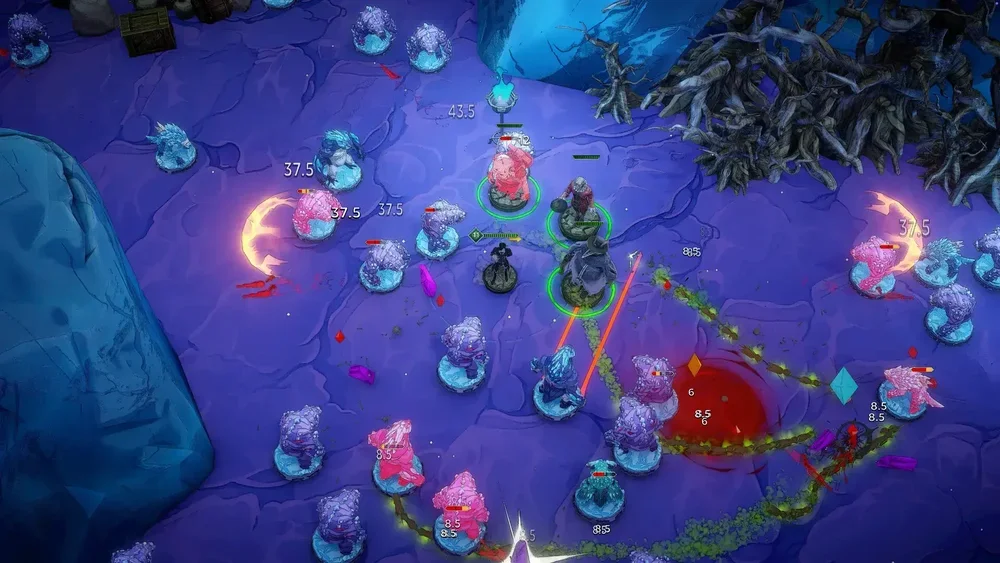
Character movement features an intentional “board game piece” wobble effect. Rather than traditional fluid walking animations, characters tilt and rock like miniature figurines sliding across a tabletop battlefield. I personally found this design choice charming and memorable it establishes Night Swarm’s unique visual identity. However, players expecting polished animation might initially mistake this artistic choice for technical glitches or performance issues.
The Gameplay Loop
Night Swarm’s core mechanics follow familiar Survivor-like conventions. Players control Roderic, a fallen vampire lord fighting to reclaim his lost kingdom.
Movement is simple, attacks trigger automatically, and collecting XP gems powers your progression.
Where Night Swarm distinguishes itself is through its branching path system inspired by roguelike classics. Instead of surviving in a single arena for extended periods, you navigate through connected map nodes, making strategic choices at each junction. Will you risk the Elite Battle node for superior loot drops? Or play it safe by routing through the Shop node to purchase essential upgrades?
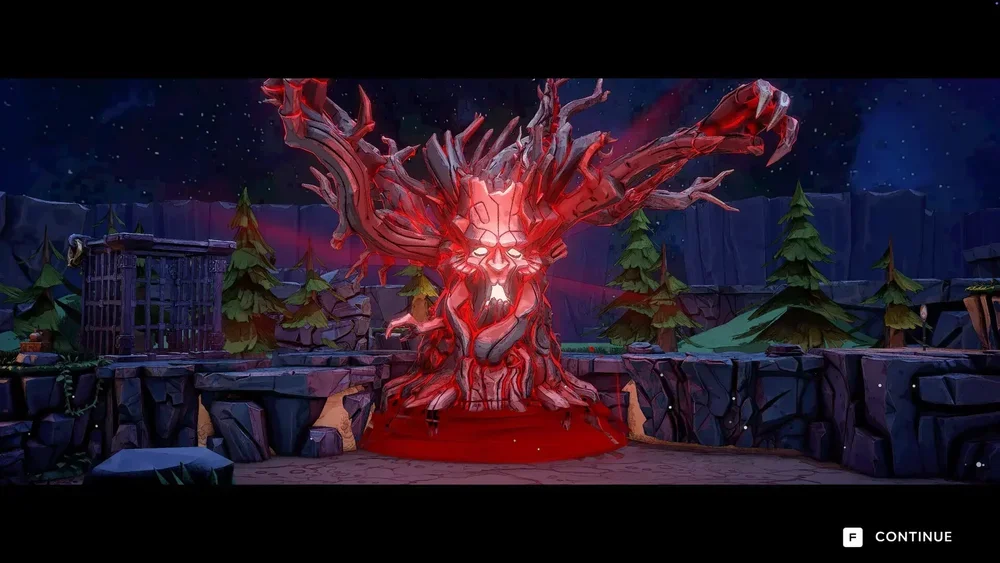
This decision-making framework injects meaningful strategy into a genre that often reduces to mindless grinding. Environmental variety extends beyond aesthetics each biome introduces unique hazards. The Desert region features massive Sand Worms that devour careless players. The Frozen Tundra implements a cold exposure mechanic forcing you to strategically position near warming fires. These additions keep gameplay engaging throughout extended sessions.
The Build System (And The RNG Hell)
Night Swarm’s progression centers around its Relic system, divided into Active Relics (your weapons) and Passive Relics (character buffs and enhancements).
The fusion mechanic represents the game’s most satisfying feature. Once you upgrade two compatible Active Relics to Level 10, you can combine them into devastating super-weapons.
Witnessing your modest “Sanguine Pool” ability transform into a screen-obliterating destruction wave delivers incredible dopamine rushes.
Unfortunately, there’s a significant catch. The game enforces minimum relic requirements in your item pool, drastically diluting your chances of finding specific relics.
During high-difficulty Hell runs, I frequently found myself desperately hunting for that one crucial relic needed to complete my weapon fusion, only to receive three useless options I’d never equip. This RNG dependency feels excessively punishing crossing the line from appropriately challenging into frustratingly unfair territory.
 PS6 Delay: AI’s RAM Hunger Could Push PlayStation 6 Past 2027
Companions And Synergy
The Companion system represents Night Swarm’s strongest innovation over genre competitors.
Players can unlock ten unique allies ranging from Mr. Coftopus (a tentacle creature) to fellow vampire nobles. You can deploy two companions simultaneously on each run.
These aren’t merely cosmetic followers they provide active abilities and passive bonuses that fundamentally shape your build strategy. Planning a Freeze-focused build? Select the companion specializing in ice damage amplification. Prefer tanky survivability? Choose the ally boosting maximum health and regeneration. This companion system introduces legitimate RPG-style theorycrafting depth that significantly enhances replayability.
The Castle Grind
Between combat runs, you return to your Castle hub for meta-progression activities.
This central location allows building upgrades, armor crafting, and talent tree unlocking. It provides meaningful progression even after failed runs, ensuring each death contributes to long-term advancement. Somehow, upgrading decorative curtains increases your block chance percentage the logic escapes me, but the gameplay benefits are undeniable.
However, the armor crafting system demands tedious material grinding. Upgrade requirements feel excessive, and many enhancements deliver underwhelming stat increases rather than transformative power spikes that justify the investment.
The AI Voice Problem
Here’s where I need to discuss the game’s most glaring weakness.
Night Swarm utilizes AI-generated voice acting throughout. The delivery possesses that distinctive flat, emotionless quality imagine your GPS attempting to narrate gothic horror literature. The writing aims for dramatic, brooding atmosphere with lines about “eternal darkness” and vampiric conquest, but robotic monotone delivery destroys any immersion the visuals establish.
The disconnect is jarring. While the artwork bursts with personality and life, the voice performances sound completely soulless and artificial. I disabled voice audio entirely after approximately one hour a decision that significantly improved my experience.
The Developer History
Transparency requires mentioning Fubu Games’ track record. They previously launched Rogue Loops, which many players felt was abandoned before reaching its full potential.
Night Swarm appears substantially more polished and complete than their previous release, suggesting lessons learned. Nevertheless, that development history exists. Purchasing Night Swarm means trusting Fubu Games will provide continued support, balance patches for RNG issues, and regular content updates.
 CD PROJEKT co-founder Michał Kiciński acquires GOG from CD PROJEKT
The Verdict
Night Swarm delivers a competent, stylish entry in an oversaturated genre. It features distinctive visual design, runs flawlessly on Steam Deck, and the companion system introduces welcome strategic depth.
However, frustrating RNG mechanics, tedious crafting requirements, and painfully artificial voice acting hold it back from greatness. It provides solid entertainment for approximately 20 hours, but lacks the enduring appeal of genre kings like Vampire Survivors or Hades.
If you’re seeking a new game to enjoy during podcast listening sessions, Night Swarm fits perfectly. Just remember to mute those AI voices immediately.
Final Score: 7.1/10 A stylish, addictive roguelite hindered by overambitious design choices.
Disclosure: We received a complimentary review key for Night Swarm. This did not influence our assessment.